Master Outdoor Portrait Photography: Outdoor Portraits Tips You Can Use Today

If you’ve ever tried snapping photos outside and felt like your shots just didn’t capture the magic, you’re not alone. Outdoor portrait photography can be tricky, but once you get the hang of it, it’s incredibly rewarding. Imagine capturing those golden-hour glows, the natural smiles, and the genuine moments that only the great outdoors can offer. Sounds good, right? Let’s dive into some practical outdoor portraits tips that will help you master this craft and make your photos pop.
Why Outdoor Portraits Tips Matter More Than You Think
You might be wondering, “Why bother with outdoor portraits tips? Can’t I just point and shoot?” Well, yes, you can, but if you want photos that truly stand out, a little know-how goes a long way. Outdoor settings are dynamic - the light changes, backgrounds can be distracting, and weather can throw curveballs. Knowing how to work with these elements rather than against them is the secret sauce.
For example, have you ever noticed how harsh midday sun can create unflattering shadows on faces? Or how a cluttered background can steal the spotlight from your subject? These are common pitfalls, but with a few tricks, you can turn them into opportunities. Using natural reflectors like light-coloured walls or even a white sheet can soften shadows. Choosing locations with simple, natural backgrounds helps keep the focus on your subject.
Here’s a quick checklist to keep in mind when shooting outdoors:
Scout your location ahead of time to find the best spots.
Use natural light to your advantage - early morning or late afternoon light is your friend.
Keep your subject comfortable - a relaxed person makes for a better photo.
Watch your background - avoid distractions and clutter.
Experiment with angles - sometimes a slight change in perspective makes all the difference.

Outdoor Portraits Tips: Lighting, Posing, and Composition
Let’s get into the nitty-gritty of some outdoor portraits tips that will elevate your shots from “meh” to “wow.” Lighting is the cornerstone of any great photo, and outdoors, it’s all about timing and direction.
Lighting Tips
Golden Hour is Golden: The hour after sunrise and before sunset bathes your subject in warm, soft light. It’s like nature’s own beauty filter.
Shade is Your Friend: If you’re shooting midday, find shaded areas to avoid harsh shadows and squinting.
Backlighting Magic: Position your subject with the sun behind them to create a dreamy halo effect. Just be sure to adjust your exposure so they don’t turn into a silhouette.
Posing Tips
Keep it Natural: Encourage your subject to move, laugh, or interact with their environment. Stiff poses rarely look good.
Use Props or Environment: Leaning against a tree, sitting on a bench, or holding a bouquet can add interest and context.
Angles Matter: Shooting slightly above eye level can be flattering, but don’t be afraid to get creative.
Composition Tips
Rule of Thirds: Place your subject off-centre to create a balanced and engaging photo.
Leading Lines: Use paths, fences, or natural lines to draw the viewer’s eye to your subject.
Depth of Field: A wide aperture (small f-number) blurs the background, making your subject pop.
Remember, these tips aren’t rules set in stone. Think of them as guidelines to help you experiment and find your style.
What is the 20 60 20 Rule in Photography?
You might have heard about the 20 60 20 rule in photography and wondered what it’s all about. It’s a simple yet powerful guideline for composing your shots, especially portraits.
Here’s the breakdown:
20% of the frame is the subject’s face or the main point of interest.
60% is the background or environment that provides context.
20% is negative space that balances the composition and gives the eye a place to rest.
Why does this matter? Well, it helps you create images that feel balanced and intentional. Too much focus on the subject can make the photo feel cramped, while too much background can distract. The negative space adds breathing room and can evoke mood or emotion.
Try applying this rule next time you’re out shooting. Frame your subject so they occupy about a fifth of the image, let the environment tell part of the story, and leave some empty space to keep things airy and relaxed.
Gear and Settings: What You Really Need for Outdoor Portraits
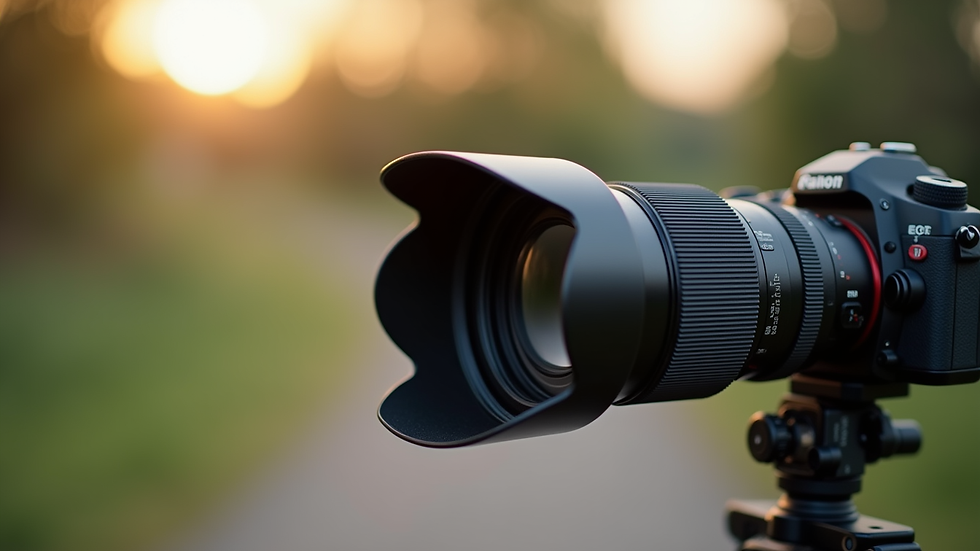
You don’t need a fancy camera to take great outdoor portraits, but knowing your gear and settings can make a huge difference. Here’s what I recommend:
Camera and Lens
A DSLR or mirrorless camera with manual settings is ideal.
A prime lens with a wide aperture (like 50mm f/1.8) is perfect for portraits because it creates that lovely background blur.
If you’re using a smartphone, look for portrait mode or apps that let you control focus and exposure.
Settings
Aperture Priority Mode: Set a wide aperture (f/1.8 to f/4) to blur the background.
ISO: Keep it low (100-400) to avoid grainy photos.
Shutter Speed: Fast enough to avoid blur from movement (1/125 or faster).
White Balance: Adjust based on lighting conditions or shoot in RAW to fix later.
Extras
A reflector can bounce light back onto your subject’s face, softening shadows.
A tripod helps with stability, especially in low light.
Don’t forget extra batteries and memory cards!
Bringing It All Together: Tips for a Successful Outdoor Portrait Session
So, you’ve got your location, your gear, and your knowledge of lighting and composition. What else can you do to make your outdoor portrait session a hit?
Plan Ahead: Check the weather and scout your location beforehand. Nothing kills a shoot like unexpected rain or a crowded park.
Communicate: Talk to your subject about what they want and how they feel. A little chat can ease nerves and bring out genuine expressions.
Be Patient: Sometimes the best shots come when you least expect them. Keep shooting and stay relaxed.
Have Fun: Don’t take yourself too seriously. Laugh, experiment, and enjoy the process.
If you want to see how these tips come together in real life, check out some examples of outdoor portrait photography that capture the essence of natural light and genuine moments.
Your Next Step in Outdoor Portrait Mastery
Ready to take your outdoor portraits to the next level? Remember, practice makes perfect. Grab your camera, head outside, and start experimenting with light, angles, and poses. Don’t be afraid to make mistakes - every shot is a learning opportunity.
And if you’re in Penrith, Sydney, or the Blue Mountains and want to see these tips in action or need a hand capturing your special moments, you know where to find me. Here’s to creating beautiful, timeless portraits that tell your story - one outdoor shot at a time!


Comments